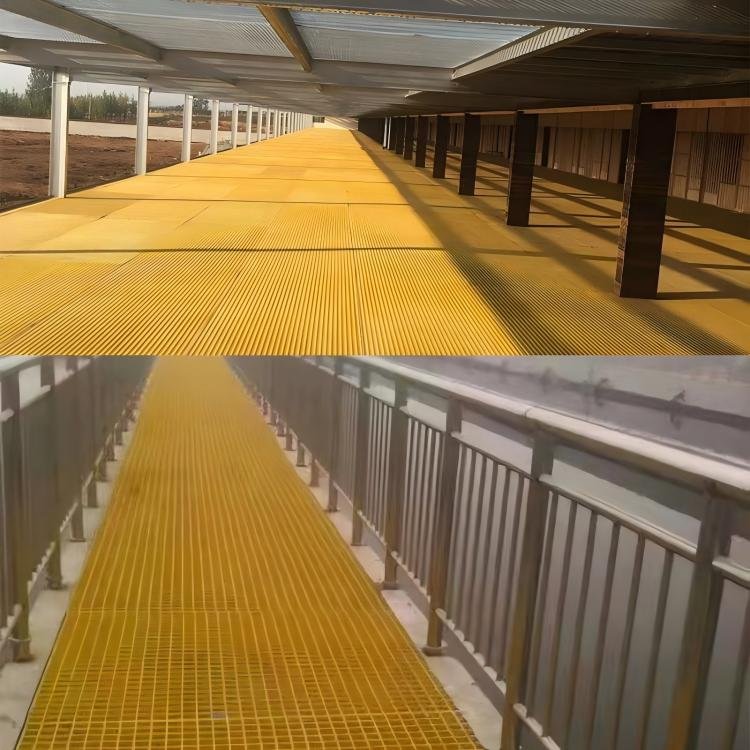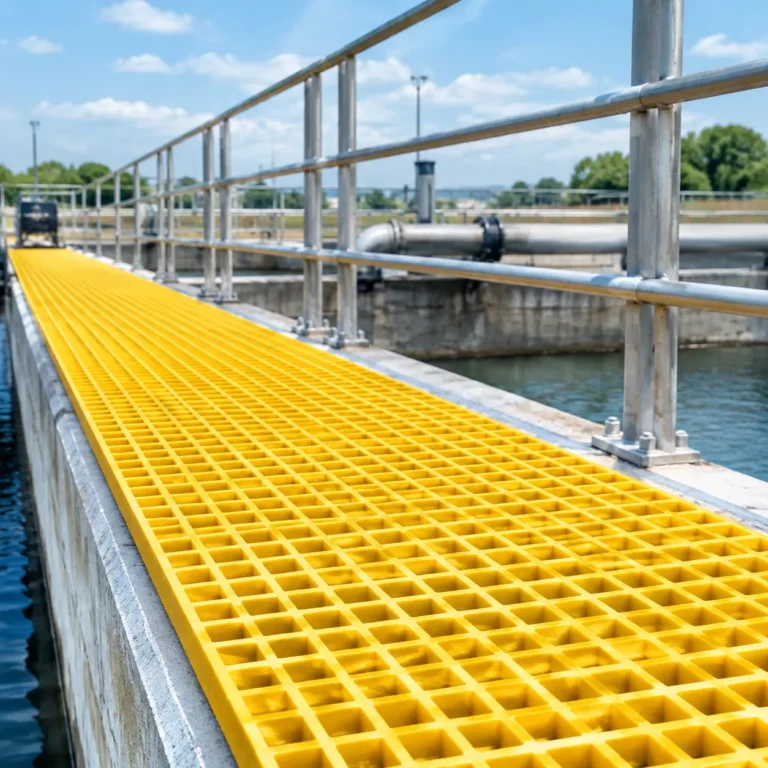
Care and Maintenance of FRP Grating for Longer Service Life
The Importance of Care and Maintenance for FRP Grating
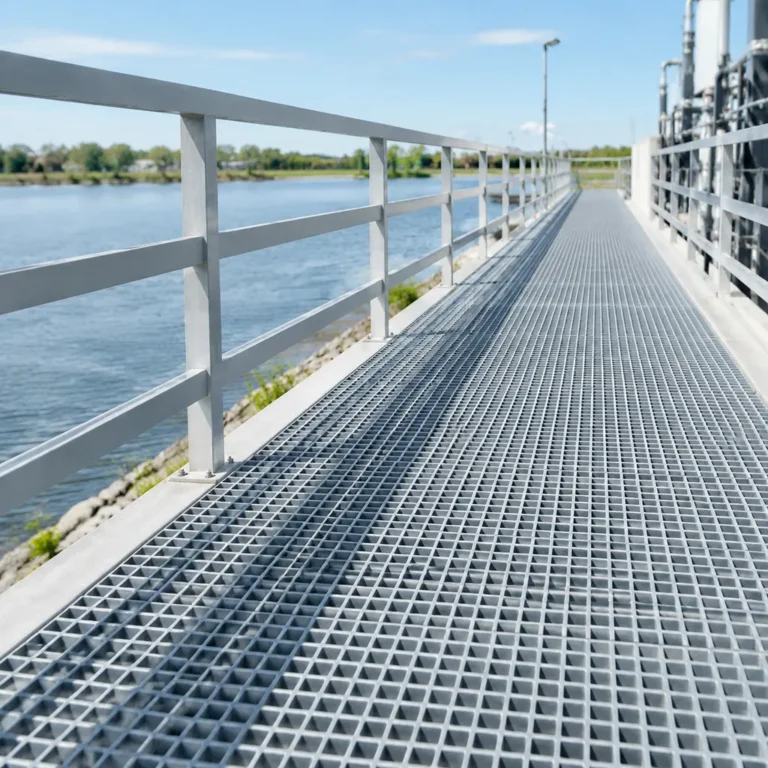
Fiberglass reinforced plastic (FRP) grating delivers superior performance in the most demanding industrial environments. While composites outlast traditional steel, implementing a proactive routine for the care and maintenance of frp grating is essential to preserve your facility’s infrastructure, prevent unscheduled downtime, and optimize lifecycle value.
Extending Service Life and Structural Durability
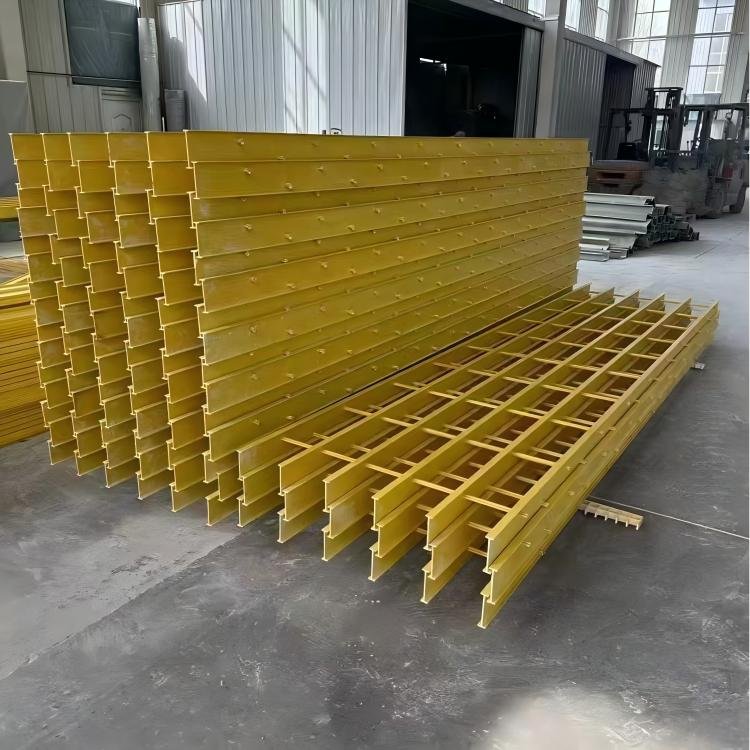
Both molded grating and pultruded grating are engineered to endure rigorous dynamic loads and aggressive operational stress. Systematic upkeep preserves the structural resin matrix and keeps glass reinforcements intact.
- Mitigates Mechanical Abrasion: Prevents embedded grit and fine particulates from wearing down the resin surface under repeated foot and wheeled traffic.
- Maintains Load Distribution: Keeps bearing bars and structural cross-rods clear, ensuring uniform weight dispersal without localized stress concentrations.
- Lowers Total Cost of Ownership (TCO): Extends structural lifespan well past 20 to 30 years, delaying capital expenditures for complete flooring replacements.
Ensuring Workplace Safety and Slip Resistance
Slip, trip, and fall hazards represent a primary liability in wet, oily, or chemical-intensive processing zones. Our FRP panels feature integrated quartz grit or concave meniscus surfaces designed for maximum traction, but neglect compromises these safety profiles.
- Sustains Surface Traction: Eliminates grease, hydraulic fluid, algae, and industrial silt that pack into the grit profile and create slick surfaces.
- Enforces Compliance: Keeps operational walkways, stair treads, and platforms compliant with OSHA and international safety coefficient-of-friction standards.
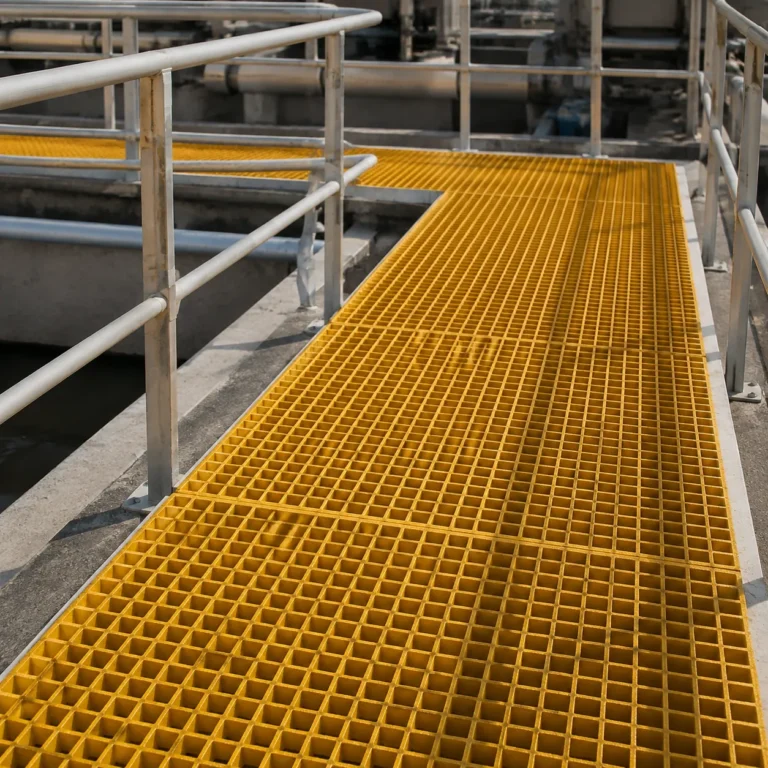
- Improves Visibility: Routine removal of surface grime reveals high-contrast safety colors (such as industrial safety yellow), improving hazard awareness for plant personnel.
Preserving Corrosion and Chemical Resistance
The primary advantage of FRP over metallic alternatives is its imperviousness to aggressive compounds. However, passive neglect can compromise the protective exterior resin veil.
| Risk Factor | Impact Without Maintenance | Benefit of Routine Care |
|---|---|---|
| Chemical Pooling | Evaporating solvents concentrate, stressing the resin barrier. | Dilutes and removes harsh residues before chemical attack begins. |
| Solar Exposure | Trapped heat and dirt accelerate degradation of the UV protection. | Ensures factory UV inhibitors perform optimally against photodegradation. |
| Environmental Ingress | Standing moisture exploits micro-fissures, risking fiber blooming. | Facilitates moisture prevention and protects structural glass integrity. |
Daily Use and Preventive Care Guidelines
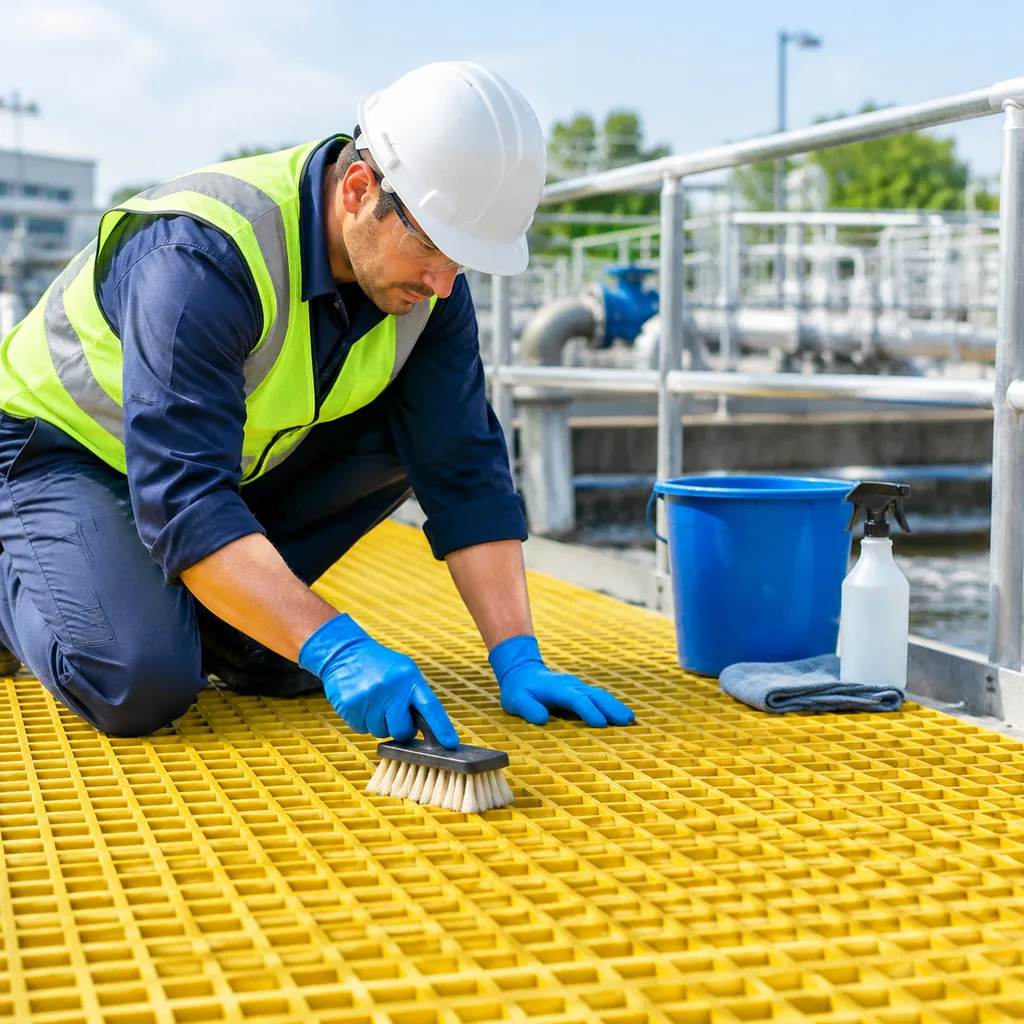
Consistent preventive routines form the backbone of proper care and maintenance of frp grating. While fiberglass reinforced plastic offers exceptional resilience, treating the flooring surface with practical operating care prevents premature wear, keeps structural integrity intact, and reduces replacement costs. We recommend incorporating straightforward daily operational rules across every facility.
Avoiding Overloading Beyond Rated Load Capacity
Every panel is engineered to support specific uniform and concentrated weights. Exceeding these limits risks structural fatigue and permanent deflection:
- Know your limits: Check whether your installation uses molded grating or pultruded grating panels, as each design carries distinct span and load limits.
- Prohibit unauthorized heavy vehicles: Never drive heavy forklifts, telehandlers, or oversized machinery over foot-traffic or light-duty rated walkways.
- Distribute stationary loads: When temporarily placing heavy machinery or staging maintenance materials on top of the grating, use load-distributing spreader plates to disperse the weight evenly.
Preventing Severe Mechanical Impact and Chipping
FRP handles high flexural stress well, but concentrated, sharp strikes can fracture the surface resin and compromise interior glass strands:
- Avoid dropping heavy steel tools: Dropping sledgehammers, pipe sections, or heavy steel fittings directly onto panels can chip the exterior resin matrix and expose glass fibers.
- Control dragging loads: Lift equipment rather than dragging sharp-edged metal bins, heavy crates, or steel structures across the floor.
- Monitor high-traffic transfer zones: Install sacrificial rubber runners or impact pads in areas where heavy drops or constant tool resting are unavoidable.
Protecting Grating Panels from Extreme Heat and Open Flames
Standard FRP blends handle broad ambient ranges, but localized high-heat sources demand dedicated safeguards:
| Risk Source | Potential Hazard | Preventive Measure |
|---|---|---|
| Hot Work (Welding/Cutting) | Slag burns resin; weakens structural web | Cover panels with certified welding blankets or fire-retardant mats. |
| Steam Vent Blowouts | Continuous high thermal degradation | Divert localized high-pressure steam exhausts away from grating surfaces. |
| Direct Open Flames | Surface charring and structural breakdown | Keep torches, burn barrels, and temporary site heaters clear of panels. |
Preventing direct heat exposure safeguards both the exterior UV protection layers and the primary structural matrix, keeping walkways durable and secure over years of tough daily service.
Routine Cleaning Methods for FRP Grating
Consistent care and maintenance of FRP grating begins with straightforward, routine cleaning. Regular upkeep prevents dirt buildup, maintains traction, and ensures the walking surface remains safe for daily traffic across industrial and commercial facilities.
Dry Sweeping and Loose Debris Removal
Loose dirt, gravel, metal shavings, and organic matter settle into open mesh panels over time. Leaving this debris unattended can cause uneven wear across the surface grit under repeated foot traffic.
- Tool Selection: Use an industrial push broom with a medium or stiff soft bristle brush head. Avoid metal wire brooms that can scrape the top resin coat.
- Technique: Sweep diagonally across the mesh grid to lift trapped particles out of the openings rather than pushing grit deeper into the panel joints.
- Frequency: Sweep high-traffic walkways daily and secondary platforms weekly to minimize particulate buildup on both indoor and outdoor molded FRP grating installations.
Low-Pressure Washing with Fresh Water
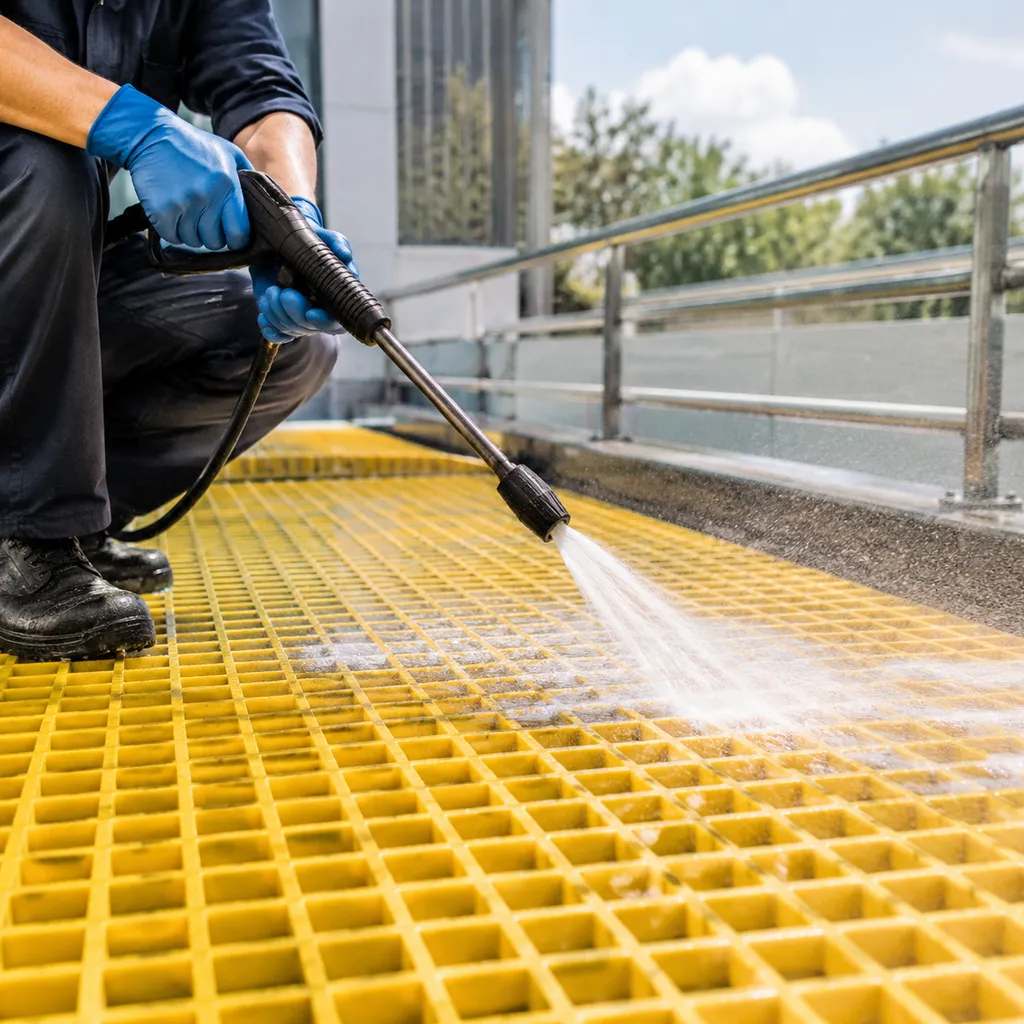
When dry sweeping is not enough to clear embedded mud, dust, or environmental film, pressure washing with clean water restores the surface without damaging structural integrity.
- Pressure Limits: Keep water pressure under 1,200 to 1,500 PSI. Excessive pressure can dislodge the bonded silica quartz grit that provides anti-slip safety.
- Nozzle Configuration: Use a wide fan tip (25 to 40 degrees) and hold the wand at least 12 to 18 inches away from the panel surface.
- Rinsing Angle: Spray at an angle toward drainage channels to flush debris clear of open mesh squares and structural bearing supports.
Mopping with Mild Industrial Detergents
For enclosed indoor walkways, processing plants, and food-and-beverage areas where washdown pressure is restricted, mopping is the most effective approach for ongoing care and maintenance of FRP grating.
- Solution Mix: Dilute standard mild detergents or pH-neutral commercial floor cleaners in warm water. Avoid strong alkaline solutions or bleaching agents.
- Application: Scrub stubborn traffic lanes using a synthetic mop or long-handled scrub brush to loosen soil film from the bearing bars on pultruded FRP grating tracks.
- Final Rinse: Wipe or rinse thoroughly with fresh water after cleaning. Leaving dried detergent residue creates a slick film that temporarily compromises anti-slip performance.
Deep Cleaning for Stubborn Stains and Contaminants
Routine rinsing handles everyday dust, but tough industrial contaminants require targeted treatment. When heavy grime settles into the gritted surface, executing the proper care and maintenance of frp grating restores traction and prevents permanent resin breakdown.
Degreasing and Heavy Oil Removal
Grease, lubricants, and hydraulic fluids quickly fill the voids of your anti-slip grit, turning a safe walkway into a slipping hazard.
- Use Water-Soluble Degreasers: Apply a biodegradable, citrus-based degreaser or mild industrial emulsifier directly onto the affected area.
- Allow Dwell Time: Let the solution sit for 5 to 10 minutes to lift hydrocarbon bonds from the composite matrix.
- Agitate the Mesh: Scrub using a stiff nylon or soft bristle brush, ensuring the bristles reach the corners of the open mesh.
- Rinse Thoroughly: Wash away the emulsified oil with clean water or controlled pressure washing (keep output under 1,500 PSI to avoid damaging top-coat grit).
Treating Algae, Mold, and Mildew Growth
Outdoor walkways, marine docks, and cooling tower platforms frequently encounter biological growth from trapped moisture and organic matter.
- Apply an Algaecide Wash: Mix a mild solution of 5% to 10% household bleach in warm water, or use a commercial composite-safe biocide.
- Scrub the Bearing Bars: Work the mixture thoroughly over the top surface and along the sides of the load bars to eradicate fungal roots.
- Rinse and Facilitate Drainage: Flush the deck with plenty of fresh water. Whether maintaining pultruded walkways or molded grids across different FRP grating standard sizes, keeping the open area clear allows air circulation and speeds up moisture prevention.
Neutralizing and Cleaning Chemical Spills Promptly
While vinyl ester and isophthalic polyester resins offer exceptional chemical resistance, letting concentrated acids or aggressive alkalis pool indefinitely can lead to surface pitting or resin discolouration.
- Contain and Neutralize: Apply an appropriate neutralizing agent immediately (such as baking soda for acids or dilute citric acid for strong caustics).
- Absorb the Slurry: Use inert absorbent pads or granules to soak up the neutralized liquid without scratching the panel face.
- Copious Water Flush: Generously flood the area with fresh water to wash away all trace chemical residues and neutralizing salts from both the grating and the underlying supports.
Periodic Inspection and Fastener Maintenance
We design our fiberglass systems to handle tough industrial environments, but routine checkups keep operations safe and predictable. A disciplined approach to the care and maintenance of frp grating ensures that early warning signs—such as shifting hardware or surface wear—are caught before they turn into costly safety hazards. Setting a regular inspection schedule every three to six months guarantees uninterrupted walkway safety and preserves structural performance.
| Inspection Area | Key Checkpoints | Recommended Action |
|---|---|---|
| Fasteners & Clips | Bolt torque, hardware corrosion, shifting | Retighten or swap with 316 stainless steel clips |
| Walking Surface | Smooth spots, worn quartz grit, bare resin | Recoat grit or upgrade to high-traction anti slip frp grating |
| Bearing & Spans | Visible sag, edge micro-fissures, deep cracking | Test load capacity, check supports, or replace panel |
Checking Clips, Clamps, and Fasteners for Tightness
Vibration from heavy machinery, thermal expansion, and repeated foot traffic will loosen installation hardware over time. Left unchecked, loose grating panels can shift, rattle, or dislodge entirely under dynamic loads.
- Examine Hold Down Clips: Inspect all M-clips, G-clips, and C-clamps across both molded grating and pultruded grating walkways.
- Verify Torque Settings: Check that bolts and saddle clips hold firmly against structural steel beams without crushing the resin bearing surface.
- Inspect for Hardware Corrosion: While the grating resists corrosion, sub-par metal hardware can fail. Always replace worn bolts with premium 316 stainless steel components.
- Check Minimum Fixation: Ensure every panel has at least four hold down clips installed, or a minimum of one clip every 2.5 to 3 feet along edge supports.
Inspecting Surfaces for Wear and Anti-Slip Grit Loss
The slip-resistant top layer is your frontline defense against slip-and-fall accidents in wet, oily, or chemical-heavy facilities. Over years of steady service, heavy friction can rub away protective grit.
During plant walk-throughs, we focus closely on high-traffic pivot points, ladder bases, and transition ramps. Check for “bald spots” where the embedded quartz grit has eroded, leaving behind smooth, slick resin. Review the available anti-slip options for frp grating to evaluate whether localized recoating with an epoxy grit kit is sufficient or if severely polished sections require a panel upgrade to restore OSHA-compliant traction.
Monitoring Panel Deflection and Structural Cracking
Fiberglass is resilient and flexes slightly under load, but permanent deflection or micro-cracks demand prompt attention. Excessive bending is usually a sign of sustained overloading or weakened support frames.
- Watch for Sagging (Deflection): Check unloaded panels across the center span. Any permanent bow exceeding 1/4 inch (or L/200 of the span) indicates that the grating has exceeded its design load or needs extra structural mid-supports.
- Look for Whitening (Stress Crazing): Light-colored streaks or “stress crazing” in the resin matrix reveal areas subjected to severe impact or mechanical stress.
- Spot Delamination and Cracks: Check the bottom bars and edge cross-sections for deep cracks or peeling fiber bundles. Exposed glass filaments allow chemical ingress, requiring fast isolation and panel replacement to prevent failure.
Repair and Replacement Guidelines for Damaged Grating
Proper care and maintenance of FRP grating involves knowing when a panel can be salvaged with on-site restoration and when it must be swapped out for safety. Addressing surface flaws promptly stops corrosive fluids from penetrating the core laminate, keeping your walkways safe and code-compliant.
Sealing Minor Scratches and Exposed Glass Fibers
When surface wear or dropped tools scrape off the protective resin layer, glass fibers become exposed. These exposed filaments can wick moisture, chemicals, and contaminants directly into the interior laminate, causing delamination over time.
- Prep the surface: Clean the affected zone thoroughly using clean water and a mild detergent, ensuring all dust, grease, and loose grit are removed. Let the area dry completely to secure proper moisture prevention.
- Sand lightly: Use medium-grit sandpaper to smooth rough edges and frayed fibers without gouging deeper into structural load bars.
- Apply a resin seal coat: Coat all exposed fibers with a compatible vinyl ester, polyester, or polyurethane resin sealant. This seals out atmospheric moisture, restores chemical resistance, and renews critical UV protection on the grating surface.
Patching and Resin Repair for Localized Damage
Local chips, gouges, or small cut-outs on industrial FRP grating can often be repaired without pulling up the whole panel, provided the damage does not compromise structural bearing bars.
| Step | Action Required | Best Practice |
|---|---|---|
| 1. Damage Assessment | Verify structural integrity | Ensure damage covers less than 5% of panel surface and load bars remain uncracked. |
| 2. Cavity Cleaning | Clear away compromised resin | Chisel or grind away fractured glass fibers down to solid composite material. |
| 3. Resin Mixing | Blend matching repair compound | Use a catalyzed resin paste tinted to match the existing molded or pultruded panel. |
| 4. Grit Reapplication | Restore slip resistance | Broadcast aluminum oxide or quartz grit into the wet resin surface before it cures. |
Allow the patch to fully cure according to resin specifications before returning the section to service or foot traffic.
Safe Removal and Replacement of Compromised Panels
If continuous impact, heavy vehicular overloads, or severe chemical attacks have cracked load-bearing bars, structural repairs are no longer reliable. The compromised section must be replaced to prevent catastrophic deck failure.
- Tag out the zone: Cordon off the walkway or platform immediately to bar personnel from stepping on the unsafe panel.
- Disconnect hardware: Loosen and remove all hold down clips, M-clips, and perimeter fasteners securing the panel to underlying structural steel or fiberglass beams.
- Lift safely: Lift the damaged panel straight up using non-marring lifting straps. For larger panels, work in pairs or use mechanical hoists to prevent back strain.
- Inspect substructure: Clean and inspect structural support beams for levelness, rust, or alignment issues before dropping in the new panel.
- Install the replacement: Seat the replacement fiberglass grate securely, verifying an edge-bearing seat of at least 1.5 inches (38 mm) on all support points. Lock it into position with corrosion-resistant 316 stainless steel clips torqued to manufacturer specifications.
Common Mistakes to Avoid in FRP Grating Maintenance
Proper care and maintenance of frp grating keeps your walking surfaces solid, safe, and dependable for decades. Even though composite materials outlast steel in corrosive environments, poor upkeep practices can cause premature wear and structural failure. We see facilities cut panel lifespans short simply by applying the wrong upkeep habits. Avoiding these critical missteps ensures both molded grating and pultruded grating deliver maximum value.
Using Incompatible Chemicals and Harsh Solvents
FRP resins resist a broad spectrum of caustic substances, but no single resin formulation withstands every compound. Using unapproved industrial solvents, high-concentration oxidizers, or straight chlorinated solutions to clean your panels can strip the protective resin matrix.
- Avoid aggressive organic solvents: Acetone, methylene chloride, and concentrated benzene swell and soften vinyl ester and polyester resin systems.
- Prevent resin blistering: Harsh chemicals degrade the outer barrier, exposing the inner structural glass rovings to moisture and aggressive media found in frp grating chemical plant environments.
- Stick to proven cleaners: Routine washdowns only require water and pH-neutral, mild detergents applied with a soft bristle brush. Always verify chemical compatibility before introducing any new sanitation chemical.
Cleaning with Abrasive Metal Scrapers and Wire Brushes
Mechanical abrasion remains one of the fastest ways to destroy slip-resistant walking surfaces. Using heavy hand tools to remove built-up sludge, paint, or ice ruins the grit finish.
- Preserve the anti-slip grit: Scraping with carbon steel blades or rotary wire wheels shears off the quartz and aluminum oxide anti-slip layers, instantly creating slip hazards.
- Prevent fiber exposure: Heavy abrasives score deep into the resin casing, creating micro-cracks that allow moisture penetration and structural wick-action along the glass strands.
- Adopt safe cleaning methods: Swap out metal scrapers for rigid plastic putty knives, medium-pressure washing, and industrial degreasers designed to break surface adhesion without scoring panels.
Neglecting Supporting Substructures and Bearing Surfaces
The overall integrity of an FRP deck relies on the framework underneath it. Focusing entirely on the top surface while ignoring the structural framework leads to loose panels, safety hazards, and uneven point loading.
- Inspect bearing ledges regularly: Check support beams and structural frp grating embed angles for dirt accumulation, uneven settlement, or chemical degradation that reduces contact surface area.
- Audit hardware tension: Hold down clips and fasteners vibrate loose over time under foot and cart traffic. Add fastener torquing to your regular inspection schedule to prevent panel rocking and edge chipping.
- Ensure continuous support: Ensure every panel has at least 1.5 inches (38 mm) of firm bearing support on all support points to prevent deflection cracking under heavy loads.