Fiberglass Ductwork vs Metal Ductwork
Understanding Fiberglass vs. Metal Ductwork
Selecting the right ductwork materials is essential for optimizing airflow, thermal performance, and mechanical reliability in modern HVAC air ducts. The choice between fiberglass and metal systems dictates everything from installation labor to long-term operational efficiency. Understanding how each material is engineered provides the foundation for making an informed procurement decision.
What Is Sheet Metal Ductwork?
A sheet metal duct is a rigid air distribution channel fabricated from galvanized steel, aluminum, or stainless steel. Recognized as the traditional industry standard, it features an ultra-smooth interior surface that minimizes friction loss and static pressure drops.
-
- High Mechanical Rigidity: Withstands substantial static pressures without flexing or deforming.
- Non-Combustible Baseline: Naturally complies with the strictest fire safety codes.
- Non-Porous Surface: Resists moisture absorption and facilitates direct mechanical cleaning.
What Is Fiberglass Duct Board and Lined Ductwork?
Fiberglass air distribution systems primarily use fiberglass duct board—rigid boards crafted from resin-bonded glass fibers sealed with an exterior vapor-retarder jacket, typically foil-scrim-kraft (FSK). Alternatively, fiberglass may be integrated as an internal acoustic liner inside standard metal casings.
-
- Integrated Insulation: Provides continuous thermal resistance without requiring secondary outer wraps.
- Acoustic Absorption: Absorbs system vibration and attenuates equipment fan noise along the air path.
- Corrosion Resistance: Chemically inert construction prevents rust in environments subject to moisture or mild chemical exposure.
Key Structural Differences
The core divergence lies in how structural strength, weight, and thermal barriers are delivered:
| Feature | Sheet Metal Ductwork | Fiberglass Duct Board |
|---|---|---|
| Material Base | Galvanized steel, aluminum, or stainless steel | High-density glass fibers bonded with thermosetting resin |
| Outer Vapor Barrier | Requires external insulation wrap | Factory-laminated foil-scrim-kraft (FSK) facing |
| Airflow Surface | Bare, smooth metal with minimal friction loss | Coated fiberglass; requires sealed edges to prevent erosion |
| Weight Profile | Heavy; requires robust structural support and hanging hardware | Lightweight; reduces dead load on building supports |
| Structural Integrity | Exceptional resistance to high positive/negative pressures | Engineered for low-to-medium static pressure applications |
Sheet Metal Ductwork: Pros and Cons
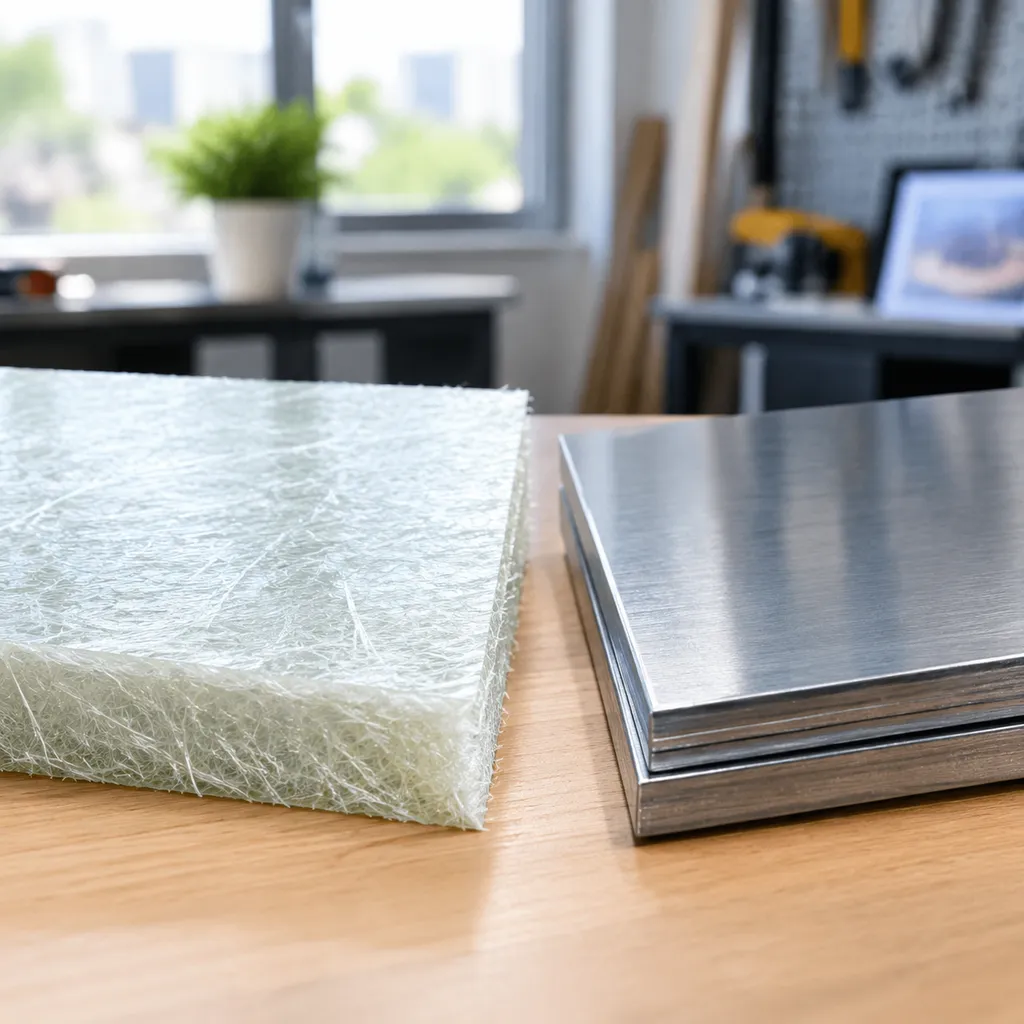
In any fiberglass ductwork vs metal ductwork comparison, traditional sheet metal stands as the industry benchmark for rigid HVAC air ducts. Understanding its mechanical strengths and inherent operational limitations helps identify where this material excels and where alternative ductwork materials might offer a better fit.
Advantages: Longevity, Strength, and Airflow Efficiency
Sheet metal duct systems deliver distinct operational advantages in high-demand environments:
-
- Exceptional Durability: Rigid metal walls withstand high static pressure, mechanical impacts, and decades of operation without sagging or structural fatigue.
- Superior Airflow Dynamics: The ultra-smooth interior surface minimizes friction loss, allowing air to move efficiently with lower fan power requirements.
- Hygienic Maintenance: Unlike porous alternatives, solid metal does not release airborne fibers into the airstream and allows aggressive mechanical sweeping, sanitizing, and vacuuming.
- Non-Combustibility: Metal meets the strictest fire safety codes (Class 0), offering zero flame spread and smoke development ratings.
Disadvantages: Higher Initial Cost and Acoustic Transmission
Despite its structural reliability, sheet metal presents notable engineering challenges:
-
- Acoustic Transmission: Bare sheet metal naturally conducts vibration, equipment hum, and air turbulence. Rapid temperature changes can also trigger loud metal expansion noises (“oil-canning”).
- Thermal Bridging and Condensation: High thermal conductivity demands external insulation wraps to prevent energy loss and sweating, which adds substantial labor overhead.
- Weight and Labor Overhead: Heavier sections require heavy-duty hanging hardware and more crew members on-site to handle fabrication and hoisting.
Common Materials: Galvanized Steel vs. Aluminum
Choosing the right metal alloy depends on operating conditions, weight limits, and exposure to corrosive elements:
-
- Galvanized Steel: Coated with a protective layer of zinc, galvanized steel is the standard choice for general commercial and industrial distribution. It delivers maximum rigidity and handles high-pressure systems with ease.
- Aluminum: Considerably lighter than steel, aluminum simplifies overhead installations and naturally resists oxidation in moist air. Much like the environmental performance considerations evaluated between metal and non-metallic roofing sheets for durable roofs, aluminum duct systems serve specialized applications where moisture resistance is critical, though at a higher initial material expense and lower static pressure threshold.
Fiberglass Ductwork: Pros and Cons
When evaluating ductwork materials for modern HVAC air ducts, fiberglass solutions offer distinct operational benefits alongside notable trade-offs. In this fiberglass ductwork vs metal ductwork comparison, balancing thermal efficiency against long-term maintenance requirements is key to selecting the right setup.
Advantages: Built-In Thermal Insulation and Noise Dampening
Fiberglass duct board delivers clear performance advantages in facilities where acoustic comfort and rapid climate control are primary objectives:
-
- Integrated Thermal Boundary: The composite design combines the air barrier and insulation into a single panel, preventing thermal bridging and condensation without requiring secondary outer wraps.
- Natural Acoustic Attenuation: The fibrous core absorbs mechanical fan hum, airflow turbulence, and duct breakout noise directly inside the run, eliminating the need for separate sound attenuators.
- Reduced Dead Load: The lightweight construction requires fewer structural hangers and eases handling during overhead assembly compared to heavy sheet metal duct layouts.
Disadvantages: Mold Susceptibility and Fiber Erosion Risks
Despite its thermal and acoustic benefits, fiberglass duct systems present specific engineering and environmental vulnerabilities:
-
- Moisture and Microbial Growth: Porous internal surfaces readily absorb moisture if relative humidity spikes or condensation forms, creating ideal conditions for mold and microbial growth inside the airstream.
- Fiber Erosion: Over time, sustained high air velocities can degrade unsealed internal surfaces, causing micro-glass fibers to detach, migrate downstream, and compromise indoor air quality.
- Higher Friction Loss: Fiberglass panels generate greater internal airflow resistance than smooth-walled metal, leading to higher friction loss and requiring greater fan energy over long runs.
Maintenance and Cleaning Challenges
Long-term upkeep for fiberglass duct systems requires precise handling to prevent structural breakdown:
-
- Damage from Standard Cleaning: Aggressive mechanical cleaning tools, such as rigid rotary wire brushes, easily tear the internal lining and ruin panel integrity.
- Limited Contamination Recovery: If biological growth penetrates the core insulation, surface remediation is rarely effective, often forcing complete section replacement.
- Specialized Sealing Requirements: Keeping the interior air passage safe demands ongoing inspections and periodic reapplications of protective antimicrobial encapsulants.
Key Performance Comparison: Fiberglass vs. Metal Ducts
When evaluating ductwork materials for HVAC air ducts, comparing mechanical durability, indoor hygiene, thermal control, and acoustics helps determine the best long-term investment.
| Performance Metric | Sheet Metal Duct | Fiberglass Duct Board |
|---|---|---|
| Expected Service Life | 25 to 50+ years | 15 to 20 years |
| Corrosion Resistance | Low to moderate (rust prone if galvanized) | High (naturally inert to moisture/chemicals) |
| Indoor Air Quality (IAQ) | High (non-porous, no fiber shedding) | Moderate (risk of fiber erosion if damaged) |
| Inherent Thermal Insulation | None (requires external wrap) | High (built-in continuous barrier) |
| Acoustic Attenuation | Low (requires silencers/dampers) | High (absorbs airflow and equipment noise) |
| Airflow Resistance | Minimal friction loss (smooth interior) | Moderate friction loss (textured surface) |
Durability and Expected Lifespan
We see standard sheet metal duct systems consistently deliver the longest operational life. Built from galvanized steel or aluminum, metal ducts withstand extreme static pressures, accidental impacts, and repeated maintenance cycles without structural degradation.
Fiberglass duct board excels in moist or chemically aggressive atmospheres where bare metals rust. However, its composite construction is softer, making it more vulnerable to mechanical punctures and long-term joint stress under high static air pressure.
Indoor Air Quality (IAQ) and Health Concerns
Indoor air quality often tips the scale toward sheet metal.
-
- Sheet Metal: The smooth, non-porous interior gives dust, mold spores, and microbes nowhere to anchor. It can be repeatedly swept, vacuumed, and sanitized without degrading the substrate.
- Fiberglass: The porous inner structure can trap moisture and particulates if filtration fails, creating potential breeding grounds for biological growth. High air velocity can also risk fiber erosion over time if the protective inner resin layer wears down.
Thermal Performance and Energy Efficiency
Fiberglass duct board provides immediate energy performance because the duct wall itself is thermal insulation. It limits temperature loss, eliminates external sweating, and prevents condensation cold spots right out of the box.
Bare metal ducts conduct heat rapidly and sweat in unconditioned spaces. Achieving proper thermal efficiency with sheet metal requires wrapping the exterior in fiberglass or elastomeric blankets, adding labor and overall footprint to the run. Even so, the ultra-smooth metal interior yields lower friction loss, allowing fans to move air with slightly less power draw.
Noise Reduction and Acoustic Control
Fiberglass naturally excels at acoustic control. The fibrous core acts as a sound attenuator, dampening air turbulence, fan hum, and equipment vibrations along the run without secondary silencers.
Metal ducts naturally amplify and transmit sound. Air rush and equipment noise can reverberate down bare metal lines, often demanding acoustic turning vanes, flexible connectors, or external baffles to meet low-decibel building requirements.
Cost and Installation Comparison
Upfront Material and Fabrication Costs
When budgeting for HVAC air ducts, sheet metal ductwork typically carries a lower baseline material cost. However, the total cost for metal must account for secondary requirements like external insulation wraps to prevent energy loss. Fiberglass duct board functions as an all-in-one system, combining the structure, thermal barrier, and acoustic liner in a single unit, which can reduce the number of individual components to procure.
Labor, Weight, and Installation Complexity
Fiberglass systems offer a significant advantage in handling. Their lightweight nature allows for faster installation, reducing the need for heavy machinery or complex support structures. Conversely, sheet metal ductwork is rigid and heavy, requiring more robust hangar systems and specialized tools for fabrication and sealing.
| Factor | Fiberglass Ductwork | Metal Ductwork |
|---|---|---|
| Material Weight | Low | High |
| Installation Speed | Fast | Slower (requires insulation steps) |
| Hanger Requirements | Minimal | Heavy-duty |
| Fabrication | Cut-to-fit on-site | Workshop custom fabrication |
Selecting the right material often depends on your facility’s load capacity, similar to how one evaluates UHMWPE sheet thickness for load needs in industrial settings.
Long-Term ROI and Replacement Expenses
While sheet metal ductwork is often perceived as a “buy once” investment due to its durability, it requires periodic maintenance and insulation repairs to maintain efficiency. Fiberglass ductwork may face higher replacement risks if moisture or fiber erosion occurs over time. Proper selection ensures your HVAC system maintains its friction loss standards and energy efficiency, providing the best long-term return on investment for your facility.
Which Ductwork Material Is Right for You?
Choosing between fiberglass ductwork and metal ductwork depends on your specific facility needs, budget, and environmental conditions.
Best Scenarios for Residential HVAC Systems
For most residential applications, sheet metal ductwork remains the standard due to its longevity and ease of cleaning. However, where space is tight or specific acoustic requirements exist, fiberglass duct board provides a quieter, pre-insulated alternative.
Requirements for Commercial and High-Humidity Spaces
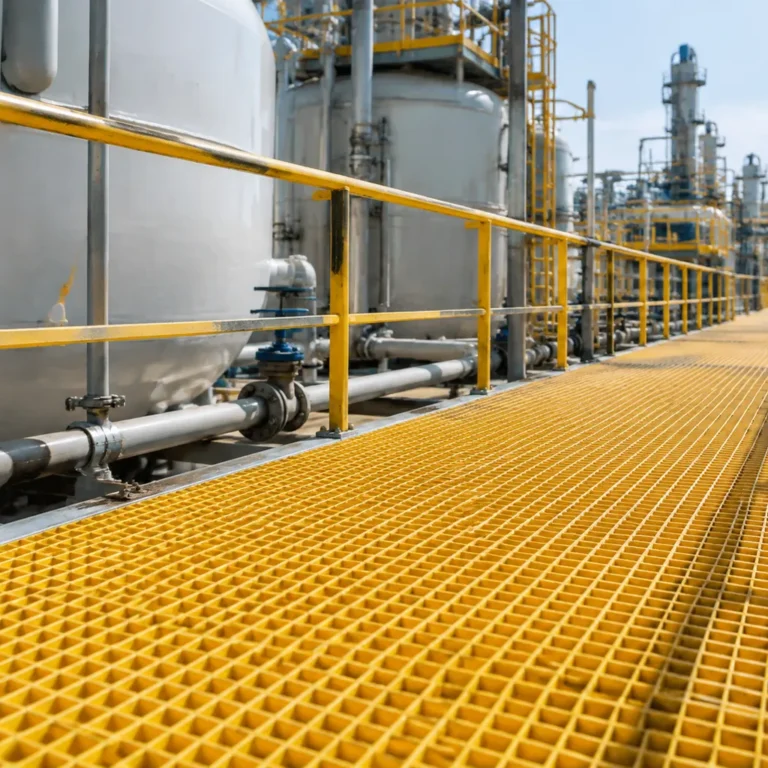
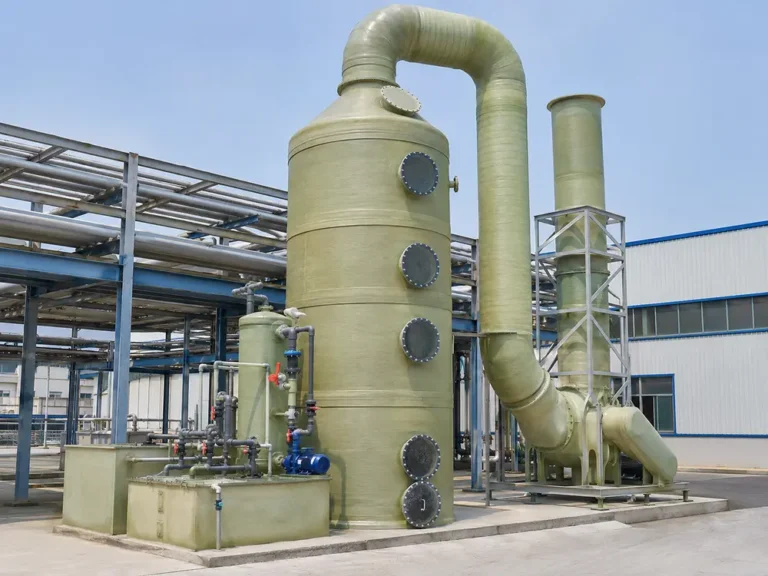
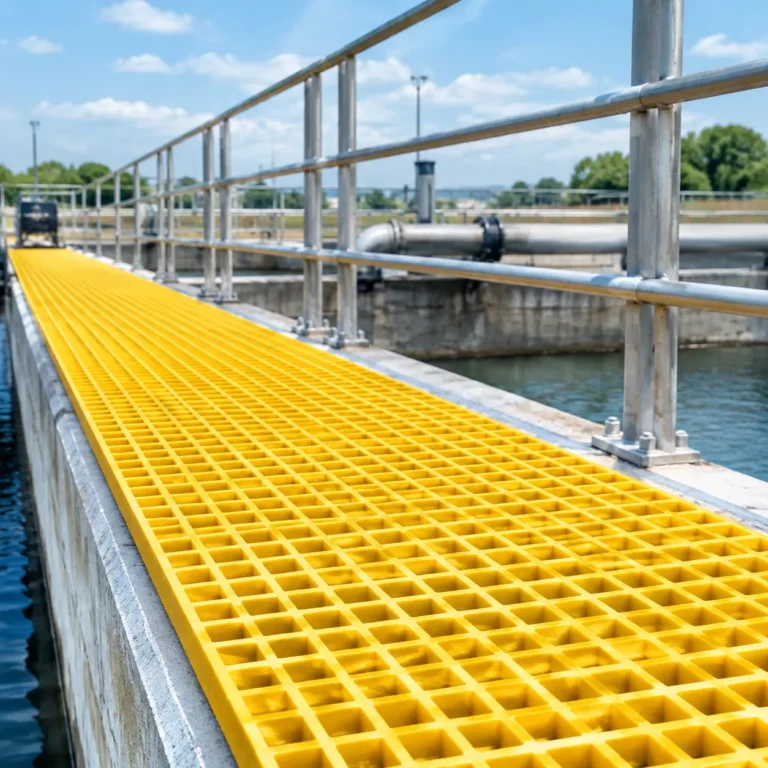
In environments with high moisture or chemical exposure, fiberglass-reinforced plastic (FRP) is superior. It resists the corrosion that plagues galvanized steel. When handling materials in industrial settings, engineers often prioritize robust, wear-resistant components like UHMWPE wear-resistant scrapers to maintain system efficiency.
When to Consider a Hybrid Ductwork Solution
A hybrid approach often yields the best results. By using metal for high-pressure, main-trunk lines and fiberglass or flexible composite materials for branch runs, facilities can optimize for both structural rigidity and noise reduction.
| Feature | Best For Residential | Best For Commercial/Industrial |
|---|---|---|
| Sheet Metal | Standard HVAC layouts | High-pressure, non-corrosive zones |
| Fiberglass | Quiet, insulated requirements | Corrosive, high-humidity environments |
| Hybrid | Custom airflow solutions | Large-scale, complex facility layouts |
Selecting the right ductwork materials ensures optimal friction loss management and long-term system reliability. Whether upgrading a production line or managing facility airflow, aligning your choice with the operating environment is key to minimizing lifecycle costs.