FRP Grating vs Steel Grating Load Weight Cost and Corrosion
FRP Grating vs Steel Grating compare load capacity weight corrosion resistance installation safety and lifecycle cost to choose the right material
Overview of FRP and Steel Grating
Industrial platforms, walkways, and drainage trenches demand reliable structural flooring that withstands heavy traffic, environmental exposure, and mechanical stress. Fiberglass Reinforced Plastic (FRP) grating and steel grating serve as the two primary solutions across global manufacturing, marine, and municipal infrastructure. Choosing the right material directly impacts installation speed, structural safety, operational lifespan, and project budget.
What is FRP (Fiberglass Reinforced Plastic) Grating?
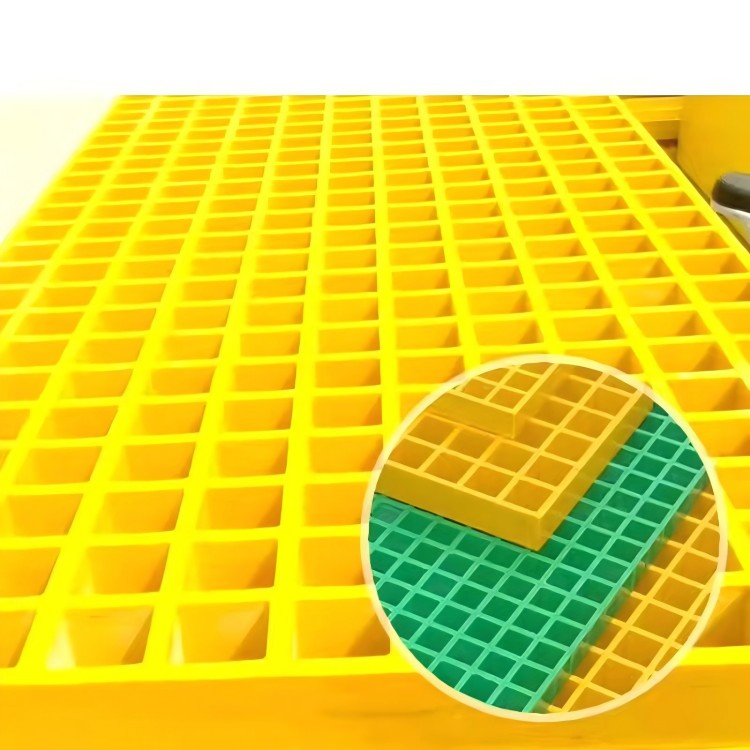
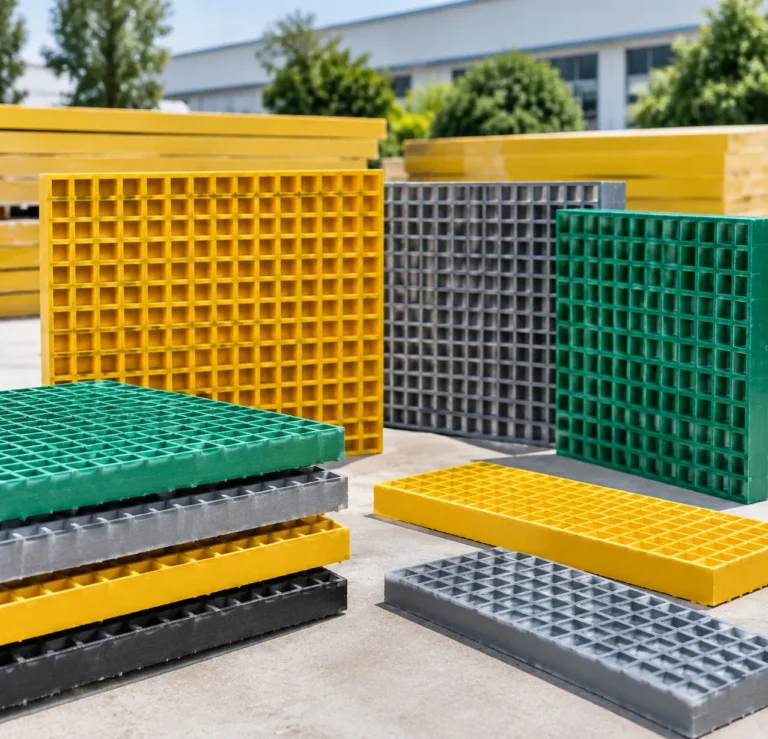
FRP grating (also referred to as fiberglass grating) is a composite structural panel manufactured by combining high-strength continuous fiberglass rovings with premium thermoset resins.
Composition: Typically 65% resin to 35% glass fiber by weight in molded panels, or up to 70% glass fiber in pultruded profiles.
Resin Systems: Standard configurations utilize orthophthalic polyester, isophthalic polyester, or vinyl ester to resist harsh acids, caustics, and marine atmospheres.
Core Characteristics: Excellent corrosion resistance, high strength-to-weight ratio, non-magnetic properties, and inherent electrical non-conductivity.
Surface Finishes: Available with meniscus concave surfaces or embedded quartz grit for superior wet-surface slip resistance.
What is Steel Grating?
Steel grating, specifically industrial galvanized steel bar grating, is an assembly of flat, vertical bearing bars joined at intersections by cross rods through forge-welding, swaging, or mechanical interlocking.
Composition: Fabricated primarily from high-yield carbon steel grades (such as ASTM A36 or Q235) or stainless steel alloys (304, 316L).
Protective Coatings: Most industrial panels undergo a hot-dip galvanized treatment per ASTM A123 standards to provide a sacrificial zinc barrier against moisture.
Core Characteristics: High structural rigidity, outstanding impact toughness, massive point-load capacity, and fire resistance.
Configurations: Available in smooth, serrated, or I-bar profiles to accommodate diverse pedestrian and vehicular loading conditions.
Key Manufacturing and Material Differences
The distinct raw materials and production paths dictate the mechanical performance and environmental durability of each system:
Feature / Metric FRP Grating Steel Grating
Primary Material Glass fibers embedded in thermoset polymer resin Low-carbon steel, alloy steel, or stainless steel
Manufacturing Method Compression molding or continuous pultrusion High-pressure resistance welding or hydraulic swaging
Protective Finish Inherent throughout the entire resin matrix Hot-dip galvanized zinc coating or passivated finish
Electrical Conductivity Electrical non-conductive (insulator) Fully conductive (requires grounding)
Weight Profile Lightweight (approx. 1/3 to 1/4 the weight of steel) High density, heavy-duty structural mass
Fabrication Tolerance Cut-to-size with standard abrasive power tools Requires thermal cutting, re-welding, and zinc cold-galvanizing repair
Load-Bearing Capacity and Structural Strength
When evaluating structural integrity, both fiberglass grating and traditional steel grating bring distinct mechanical properties to the table. Choosing the right material requires understanding how each responds under extreme physical stress, continuous foot traffic, and heavy machinery loads.
Ultimate Load Capacity and Heavy-Duty Performance
Standard carbon steel and galvanized steel bar grating have long been the baseline for sheer ultimate load capacity. For exceptionally long clear spans or areas handling high-tonnage vehicular traffic—like fully loaded transport trucks, heavy forklifts, and industrial trailers—steel remains a standard structural powerhouse.
However, high-grade composite materials have closed the gap significantly. Modern pultruded fiberglass designs handle substantial weight with zero risk of structural failure. Reviewing our comprehensive data on heavy industrial FRP grating load capacity demonstrates that properly engineered composite grids comfortably handle concentrated wheel loads and massive distributed forces across typical industrial spans.
Performance Metric Pultruded FRP Grating Molded FRP Grating Welded Steel Bar Grating
Primary Load Direction Unidirectional (High Span) Bidirectional (Balanced) Unidirectional (Span-oriented)
Max Span Capability High (Up to 60+ inches) Moderate (Up to 36–48 inches) Very High (60 to 96+ inches)
Deflection Recovery 100% Elastic Return 100% Elastic Return Prone to Permanent Set
Point Load Resistance Excellent along bearing bars Exceptional uniform support Superior absolute capacity
Strength-to-Weight Ratio and Deflection Resistance
FRP grating outperforms steel by a wide margin in its strength-to-weight ratio. Pound for pound, industrial fiberglass profiles carry more load than carbon steel while weighing roughly one-third as much.
Flexibility Under Load: Fiberglass possesses a lower modulus of elasticity compared to steel. Under heavy foot or vehicle traffic, FRP will visibly flex slightly before recovering completely.
Ergonomic Deflection: This subtle deflection creates natural cushioning, significantly reducing worker leg and back fatigue during long standing shifts.
Rigid Steel Response: Steel grating yields minimal deflection under rated loads, maintaining stiffness over wide gaps, but transfers that continuous shock back into workers’ joints and supporting framing.
Impact Resistance and Permanent Deformation
Repeated impacts from dropped tools, falling barrels, or shifting heavy cargo highlight the structural divide between these materials:
Elastic Memory of FRP: Fiberglass absorbs the energy of an unexpected impact by flexing, then snapping immediately back to its original shape. It avoids structural dishing, sagging, or crimped cross-bars.
Permanent Steel Deformation: Steel bends under localized heavy impacts. Once steel bars yield past their plastic deformation point, they remain permanently dented or warped. This creates uneven tripping hazards, traps liquids, and weakens the immediate structural zone, often requiring costly torch-cutting and patch replacement.
Weight and Installation Comparison
Material Weight and Transportation Efficiency
Weight is often the deciding factor in project logistics. Fiberglass grating weighs roughly one-third to one-quarter of standard steel grating while maintaining impressive structural rigidity. A typical 38mm thick FRP panel weighs around 12 to 14 kg/m², whereas an equivalent galvanized steel bar grating easily exceeds 40 to 50 kg/m².
This massive weight gap translates directly to shipping and freight budgets:
Lower Shipping Costs: Trucks reach their volumetric capacity before hitting strict gross vehicle weight limits, allowing more square meters per shipment.
Easy Site Movement: Crews can stage and offload panels manually without waiting for dedicated flatbed offloading rigs.
Reduced Substructure Loads: Lighter flooring reduces the dead load on supporting steel beams, concrete footings, and offshore platforms.
Ease of On-Site Cutting and Fabrication
Modifications happen on every job site, whether you need to cut around pipes, columns, or unexpected structural framing. Handling FRP grating panels requires nothing more than standard handheld power tools fitted with a diamond or masonry blade. Cuts are made in minutes right where the panel lies, followed by a quick coat of resin sealant on the cut edges to preserve durability.
Working with hot-dip galvanized steel grating is far more demanding:
Hot Work Permits: Cutting steel requires oxy-acetylene torches or heavy grinding wheels, demanding hot work permits, fire watches, and shutdown precautions in sensitive zones.
Edge Banding and Welding: Cutting steel bar grating severs the load-bearing bars, requiring welded edge banding to restore panel integrity.
Recoating Vulnerabilities: Any cut or torch burn destroys the hot-dip galvanized layer. Cold-galvanizing sprays rarely match original factory protection, leaving edges vulnerable to premature corrosion.
Installation Labor and Heavy Equipment Requirements
Because FRP panels are light, two workers can safely lift, carry, and place a full-size panel into position without mechanical aids. This eliminates the need for rental cranes, overhead hoists, or complex rigging hardware inside tight industrial buildings.
Comparison Factor FRP Grating Galvanized Steel Bar Grating
Average Weight 12 – 15 kg/m² 40 – 55+ kg/m²
Handling Method Manual two-person lift Crane, forklift, or rigging crew
Cutting Tools Circular saw with diamond blade Cutting torch, cold saw, or grinder
Hot Work Permit Not required Mandatory in most facilities
Installation Speed Fast; minimal crew downtime Slower; equipment dependent
For operations looking to streamline setup times, investing in molded FRP grating cuts installation labor hours significantly compared to traditional metal alternatives. Panels drop into place smoothly and fasten down with standard 316 stainless steel saddle clips, letting teams commission catwalks and platforms in a fraction of the time.
Corrosion Resistance and Environmental Durability
Corrosion is the primary killer of industrial flooring. When we compare FRP grating against steel grating in harsh operating conditions, the difference in material survival isn’t marginal—it dictates your entire plant maintenance budget.
Performance in Chemical and Acidic Environments
Chemical exposure quickly reveals the limits of traditional flooring materials. Acids, alkalis, solvents, and bleach attack metals on contact, causing immediate oxidation and metal thinning.
FRP Grating: Molded using premium resin systems (such as isophthalic polyester or vinyl ester), fiberglass grating resists broad-spectrum chemical attack. It will not dissolve, pit, or lose load capacity when splashed with harsh chemicals. We regularly supply FRP grating for chemical plants where continuous acid exposure completely destroys metal surfaces within months.
Steel Grating: Standard carbon steel corrodes rapidly when exposed to acidic solutions. Even stainless steel options degrade when faced with aggressive compounds like hydrochloric acid or concentrated chlorides, leading to costly structural failures.
Moisture and Marine Exposure Resistance
Salt air, constant wave action, and high humidity create a severe environment that attacks industrial walkways.
Exposure Metric Fiberglass Grating (FRP) Galvanized Steel Bar Grating
Salt Spray (Marine) Impervious; no degradation Surface oxidation begins rapidly
Moisture Absorption Near zero (< 0.5%) Zero (non-porous), but water speeds rust
Splash Zone Longevity 20+ years without breakdown 3 to 7 years before major rust develops
Secondary Treatment Needed None Frequent repainting or resealing
In coastal installations, offshore platforms, and wastewater facilities, fiberglass grating requires no protection against wet cycles. Steel options, on the other hand, require constant inspections to catch hidden moisture rot beneath fasteners.
Rust Prevention, Galvanizing, and Coating Limitations
Hot-dip galvanized steel relies entirely on a sacrificial zinc barrier. Once that barrier is breached, the underlying carbon steel degrades quickly:
Coating Vulnerability: The zinc layer on hot-dip galvanized steel bar grating gets damaged during transport, dropped tools, or foot traffic. Any scratch leaves bare carbon steel exposed to oxygen and water.
Edge Corrosion: Cutting steel grating in the field exposes raw, ungalvanized metal edges. Cold-galvanizing sprays rarely offer the same continuous metallurgical bond as factory dipping, causing rust to start at the cut lines.
Integral Protection: FRP does not use a surface coating. The corrosion resistance is homogeneous throughout the entire profile. Following standard guidelines for the care and maintenance of FRP grating ensures that cut edges sealed with a simple resin coat remain as structurally sound as the day they left the factory.
Comprehensive Cost Analysis: Initial vs. Lifecycle Cost
When we price out projects for industrial flooring, comparing upfront figures rarely gives you the whole story. While upfront material expenses play a major role in short-term budgeting, evaluating the total lifecycle cost reveals where your investment actually goes over ten to twenty years.
Initial Purchase and Material Cost
Straight out of the gate, traditional steel generally wins the initial purchase price contest. Standard untreated carbon steel grating carries the lowest upfront tag. Even hot-dip galvanized steel bar grating frequently costs less per square foot at procurement than molded composite alternatives.
Fiberglass grating requires high-grade thermosetting resins and continuous glass fiber rovings, which elevates base production costs. Sourcing panels in a standard FRP grating size keeps material rates competitive, but if you look purely at the purchase invoice without factoring in logistics, steel looks cheaper on paper.
Cost Factor FRP Grating Galvanized Steel Grating
Initial Material Outlay Moderate to High Low to Moderate
Logistics & Freight Low (Lightweight) High (Heavy freight rates)
Equipment Rentals Minimal (Manual handling) High (Cranes & lifters)
Field Modification Low (Standard power tools) High (Hot works, re-coating)
Ongoing Maintenance Zero Recurring (Touch-ups, replacements)
Installation, Handling, and Labor Expenses
The installation phase rapidly closes the pricing gap between the two materials. Steel requires substantial freight expenses due to deadweight, and once it arrives on-site, crews need overhead cranes, forklifts, and certified welders to fit it into place. Any adjustments require hot-work permits, torch cutting, and expensive cold-galvanizing compound to reseal exposed raw edges.
In contrast, our fiberglass products drastically cut installation labor: Manual Transport: Two crew members can easily move and stage full panels without heavy cranes. Cold Tool Cutting: Workers cut profiles directly on-site using common circular saws equipped with diamond-grit masonry blades. No Hot Works: You avoid costly welding teams, dedicated fire watchers, and site shutdown permits. Direct Fastening: Panels lock straight onto support framework using simple 316 stainless steel saddle clips and bolts.
Maintenance, Upkeep, and Long-Term Service Life
The operating phase is where composite grating delivers its true economic return. Steel exposed to salt air, chemical splashes, or washdown cycles eventually suffers coating failure. Sandblasting, repainting, and eventual panel replacement demand recurring capital expenditures, downtime, and labor overhead throughout the facility’s lifespan.
Fiberglass grating eliminates maintenance budgets entirely. The integral resin system provides full-depth corrosion resistance that never flakes, chips, or rusts. Because it never demands protective recoating or structural re-welding, FRP systems pay for themselves within two to four years in corrosive operational settings, delivering decades of continuous service without an added dime in upkeep.
Safety, Electrical, and Ergonomic Features
When we design and outfit industrial plants, safety dictates the material choice just as much as structural specs. Flooring and elevated platforms must safeguard personnel against high voltage, slick surfaces, and flammable atmospheres. Comparing fiberglass grating against traditional steel shows clear functional divides in plant safety and worker comfort.
Feature Fiberglass (FRP) Grating Steel Grating (Galvanized / Carbon)
Electrical Conductivity Non-conductive (Insulator) Highly conductive (Requires grounding)
Thermal Conductivity Low (Comfortable touch in extreme temps) High (Heats up or freezes rapidly)
Slip Resistance Superior (Embedded quartz grit matrix) Moderate to poor (Serrated bars wear flat)
Spark Hazard Non-sparking (Safe in volatile zones) High sparking risk from metal impacts
Ergonomic Fatigue Slight natural give reduces joint strain Rigid, hard impact on feet and knees
Electrical and Thermal Non-Conductivity
Galvanized steel bar grating is an active electrical conductor. In substations, switchgear rooms, and rail transit lines, metallic walkways require complex bonding and grounding networks to protect operators from stray currents and short circuits.
Fiberglass grating acts as an electrical insulator, boasting exceptional dielectric strength. It eliminates touch-potential and step-potential hazards without extra grounding assemblies. For facilities managing high-voltage equipment, utilizing FRP grating for electrical substations guarantees permanent protection against accidental electrocution.
Thermally, steel quickly transfers ambient temperatures, turning scorching hot under direct sunlight and freezing into an ice hazard during winter. FRP retains low thermal conductivity, keeping walking platforms safer and easier to traverse across wild temperature swings.
Slip Resistance and Worker Safety
Slips, trips, and falls represent the majority of industrial workplace injuries. Plain steel grating turns hazardous when exposed to water, cutting fluids, or oils. Even serrated steel bar grating degrades over time as foot traffic grinds the sharp edges down into slick, polished contact points.
We mold our anti-slip FRP grating with a hard-wearing quartz grit embedded directly into the top resin layer, or with an integral concave profile. The grit does not peel or chip away under heavy use, delivering an aggressive traction profile that maintains a high coefficient of friction even in submerged or oily conditions.
From an ergonomic standpoint, steel has zero flex, sending continuous impact shock into workers' knees, hips, and lower backs. FRP features a slight, engineered elasticity that cushions footfalls, noticeably reducing worker fatigue throughout long shifts.
Fire Retardancy and Non-Sparking Properties
In environments with volatile organic compounds (VOCs), fuel storage, or combustible dust, dropped steel tools or dragging metal equipment against carbon steel walkways can generate friction sparks, creating an immediate explosion hazard.
FRP is inherently non-sparking. Dropping steel wrenches, scaffolding clamps, or machinery parts on fiberglass panels produces zero sparks, making it essential for classified hazardous locations.
When it comes to fire safety, our structural FRP panels utilize specialized flame-retardant polyester and vinyl ester resin formulations. They meet ASTM E-84 Class 1 flame spread ratings (flame spread index of 25 or less) and self-extinguish as soon as the direct external flame source is removed.
How to Choose: FRP Grating vs. Steel Grating
Choosing between fiberglass grating and galvanized steel bar grating comes down to your operating environment, structural design, and lifecycle maintenance expectations. Both flooring options serve vital industrial roles, but each shines in distinctly different working conditions.
When to Choose FRP Grating for Your Facility
FRP grating is the optimal choice when durability against chemical attack, moisture, and worker slip prevention are top operational priorities. We recommend specifying fiberglass grating in scenarios where conventional metal degrades quickly:
Corrosive and Marine Environments: Chemical processing plants, offshore platforms, wastewater treatment operations, and coastal docks where saltwater or acid destroys steel coatings.
Electrical Hazard Zones: Substations, battery storage rooms, and rail transit lines where electrical non-conductive flooring prevents shock risks.
Wet, Oily Walkways: Walkways that need high traction benefit from molded-in grit surfaces like frp anti-skid grating to prevent slip-and-fall injuries.
Trench and Sump Drainage: Wash-down bays and processing floors requiring corrosion-proof frp drain cover grating that maintenance crews can lift manually without heavy hoists.
Weight-Restricted Builds: Floating structures, raised catwalks, and modular skids where reducing dead load reduces overall engineering costs.
When Steel Grating Remains the Superior Choice
Hot-dip galvanized steel bar grating remains an industry powerhouse when absolute mechanical strength and structural stiffness take precedence over corrosion resistance:
Long Unsupported Spans: Large-scale warehouse flooring and exterior industrial bridges with wide spacing between structural supports where FRP would exhibit excessive deflection.
Extreme Thermal Conditions: Foundries, high-heat boiler areas, and environments with sustained temperatures above 200°C (392°F) where resin matrix compositions soften or degrade.
Heavy Rolling Wheel Loads: High-traffic forklift runways, loading ramps, and heavy vehicle traffic over deep drainage trenches.
Dry Indoor Infrastructure: Clean, climate-controlled industrial plants where standard hot-dip galvanized steel provides decades of service without risk of moisture-induced rust.
Project Selection Checklist and Key Criteria
To determine whether your facility needs fiberglass or steel grating, evaluate your workspace using this quick operational checklist:
Evaluation Factor Specify FRP Grating Specify Steel Grating
Environmental Exposure Acids, alkalis, salt fog, high humidity Dry indoor, non-chemical, standard outdoor
Electrical Safety Requires non-conductive, dielectric surfaces Grounding paths required / conductivity acceptable
Handling & Installation Hand tools, 2-person manual carry, no hot permits Heavy lifting equipment, welding, torch cutting
Span & Stiffness Short to medium spans (typically up to 1.2 m / 4 ft) Long clear spans (over 1.5 m / 5 ft)
Maintenance Budget Zero repainting or rust mitigation needed Periodic zinc recoating, rust wire-brushing, paint touch-ups
Initial vs. Total Cost Moderate upfront cost; lowest long-term maintenance Lowest upfront material cost; higher upkeep in damp areas