FRP Packed Bed Scrubber Tower Design and Efficiency
Explore FRP Packed Bed Scrubber Tower design packing selection sizing and removal efficiency for reliable gas absorption and industrial pollution cont
What is an FRP Packed Bed Scrubber Tower?
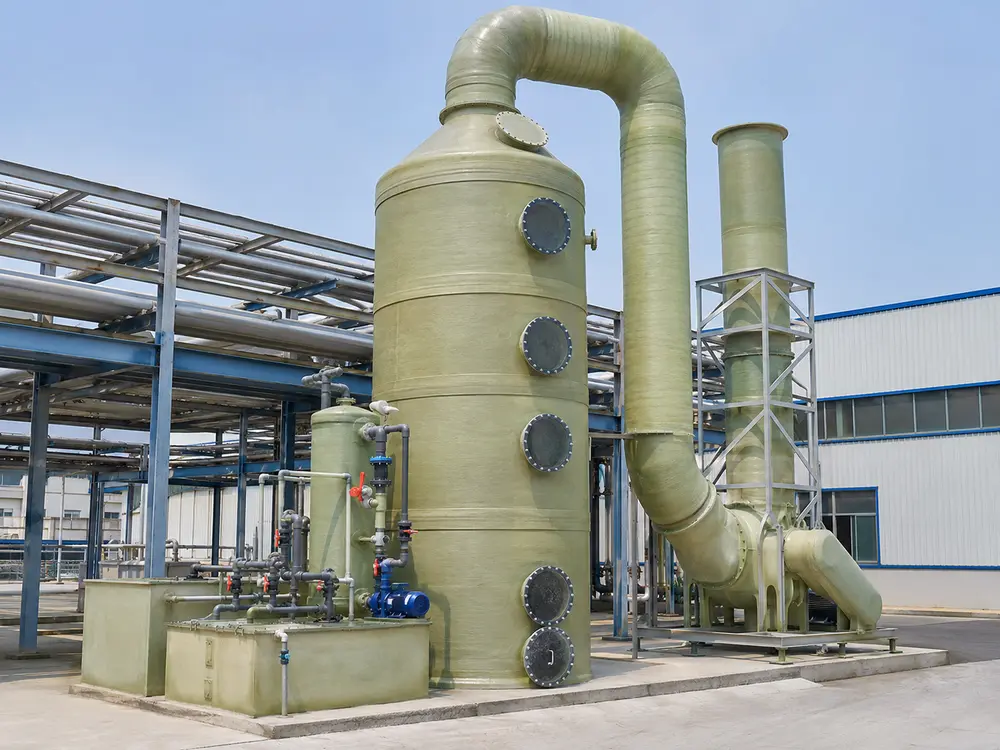
An FRP packed bed scrubber tower is a specialized air pollution control system designed to neutralize and remove harmful chemical fumes, acid gases, and odors from industrial exhaust streams. Constructed from Fiber Reinforced Plastic, these vessels provide superior structural stability and chemical resistance in corrosive environments. The system uses a packed media bed to maximize contact between a contaminated gas stream and a liquid scrubbing solution, delivering continuous, high-efficiency mass transfer and emissions control.
Working Principle and Gas Absorption Fundamentals
The primary mechanism within a packed tower is counter-current gas absorption. The process operates through direct, continuous interfacial contact:
Gas Intake: The contaminated gas stream enters near the base of the tower and moves upward through the packed bed section.
Liquid Injection: Scrubbing liquid is dispersed uniformly from the top, cascading down through the packing media under gravity.
Mass Transfer: As the liquid wets the extensive surface area of the packing, soluble gas pollutants diffuse across the gas-liquid boundary layer into the liquid phase.
Neutralization: Chemical reagents dissolved in the liquid neutralize the contaminants instantaneously, transforming volatile gases into stable, non-hazardous liquid byproducts.
Key Components of a Packed Bed Tower System
A complete, engineered packed bed tower integrates several precision-manufactured internals to ensure balanced hydraulics and gas distribution:
Tower Shell: The rugged FRP vessel wall engineered for wind loads, seismic forces, and continuous chemical exposure.
Packed Bed: High-efficiency random packing or structured packing media that creates the surface area necessary for chemical interaction.
Packing Support Grid: Multi-beam, open-area grids that hold the packing weight while allowing unrestricted upward gas flow and downward liquid drainage.
Liquid Distribution Assembly: Non-clog spray nozzles and feed headers engineered to provide uniform wetting without dry spots or wall-channeling.
Mist Eliminator: High-efficiency chevron blades or mesh pads positioned at the top outlet to capture entrained droplets before the clean air is discharged.
Integral Sump: A bottom reservoir holding the scrubbing solution, connected directly to recirculation pumps and instrumentation.
Advantages of FRP (Fiber Reinforced Plastic) Construction
Selecting Fiber Reinforced Polymer over conventional metals or coated steel offers critical operational benefits for aggressive chemical processes:
Exceptional Corrosion Resistance: Engineered with premium vinyl ester or isophthalic polyester resin layers, FRP resists aggressive chemistries including hydrochloric acid, sulfuric acid, chlorine, and ammonia.
High Strength-to-Weight Ratio: Delivers structural rigidity comparable to steel vessels at a fraction of the total weight, reducing foundation requirements and installation freight costs.
Seamless Fabrications: High-integrity composite construction minimizes joints and eliminates localized weld decay or cathodic failure points.
Low Lifecycle Maintenance: The inert exterior and durable chemical barrier layer eliminate the need for periodic repainting, exterior coating repairs, or cathodic protection systems.
Engineering Design and Sizing Calculations
Properly sizing an FRP packed bed scrubber tower ensures reliable contaminant capture without excessive energy use or operational bottlenecks. We balance gas-liquid hydraulics, chemical kinetics, and mechanical constraints to engineer systems that deliver target removal rates across all operating conditions.
Column Diameter and Packed Bed Height Calculation
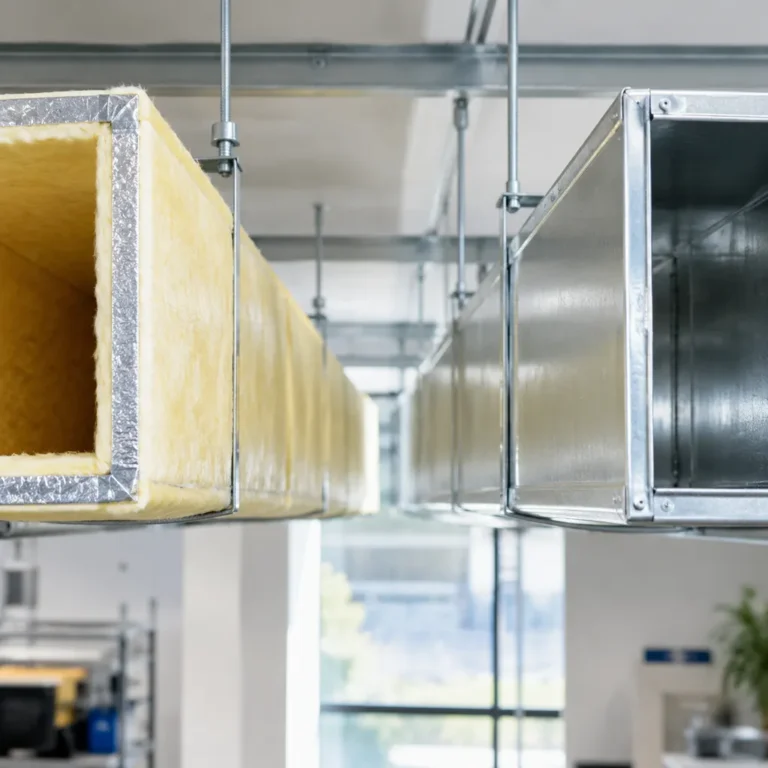
Determining the tower diameter centers on gas flow volume and superficial gas velocity. Operating velocities typically range from 1.5 to 2.5 m/s (300 to 500 fpm) to keep the tower operating safely at 50% to 70% of the hydraulic flooding limit. Keeping velocities within this window maintains stable hydraulic contact while matching associated ductwork—check our FRP duct design guide on diameter and wall thickness to align tower inlets with duct velocity parameters.
The packing height dictates contact time and determines overall gas absorption performance:
Number of Transfer Units (NTU): Dictated by the required pollutant removal efficiency and chemical equilibrium driving forces. Higher target efficiencies (such as 99%+) yield higher NTU requirements.
Height of a Transfer Unit (HTU): Dictated by packing efficiency, hydraulic loading, and reaction kinetics.
Effective Bed Depth: Calculated simply as: Packed Bed Height = NTU × HTU
We routinely add a 10% to 20% safety margin to the calculated depth to absorb chemical surges or uneven inlet concentrations.
Liquid-to-Gas (L/G) Ratio Determination
The Liquid-to-Gas (L/G) ratio directly impacts absorption efficiency and tower hydraulics:
Operating Window: Standard designs usually operate between 1.5 to 3.0 L/m³ (10 to 25 gal/1,000 CFM), adjusted for pollutant solubility and reaction chemistry.
Minimum Wetting Rate: Delivering insufficient liquid causes dry zones across the packing media, leading to immediate gas bypass and degraded scrubbing.
Flooding Prevention: Over-saturating the column increases backpressure, raises pump electrical loads, and limits gas throughput capacity.
Hydraulic Uniformity: We design the liquid distribution system to blanket the entire cross-sectional area, pairing flow rates to the specific wettability profile of the selected packing media.
System Pressure Drop and Airflow Sizing
Tower pressure drop sets system energy demand and governs induced-draft fan sizing. Total differential pressure combines resistance from the gas inlet distributor, packing support plates, the packed bed, and the mist eliminator.
Design Parameter Typical Engineering Range Impact on Tower Sizing
Packing Pressure Drop 20 to 50 mm H2O per meter (0.25 to 0.6 in. w.g./ft) Directly influences fan static pressure and operating power
Operating Limit < 70% of flooding point Prevents liquid hold-up and localized surging
Packing Geometry High void fraction (> 90%) Maximizes throughput while reducing parasitic static loss
Selecting between random packing and structured packing controls this balance. High-void media lowers resistance while maintaining ample surface area for continuous film formation, protecting the composite shell against extreme vacuum loads while keeping operational utility costs low.
Packing Media Selection for Optimal Performance
The packing media acts as the working core of any wet scrubber. In our FRP packed bed scrubber tower designs, the media creates the physical surface where the gas stream and scrubbing liquid meet. Selecting the right geometry, size, and material determines your pollutant removal rates, operating costs, and overall tower reliability.
Random Packing vs. Structured Packing
Choosing between random and structured packing depends primarily on your gas volume, allowable pressure drop, and the presence of particulate matter.
Random Packing: Dumped media—such as Pall rings, saddle rings, and hollow spherical packings—fills the bed volume randomly. It offers an economical, versatile solution with excellent mechanical strength and tolerance for mild particulate loads. It is straightforward to install and replace during maintenance.
Structured Packing: Composed of crimped, corrugated sheets aligned vertically inside the tower. It provides a highly organized flow path that minimizes resistance, yielding an exceptionally low pressure drop and higher capacity per unit volume. However, it requires a higher initial investment and fouls rapidly if particulates are present.
Feature Random Packing Structured Packing
Pressure Drop Moderate Very Low
Fouling Resistance Moderate to High Low (Prone to plugging)
Initial Cost Economical Higher investment
Installation Poured / Dumped directly Precision modular stacking
Key Selection Criteria: Surface Area, Void Fraction, and Wettability
Three core physical parameters govern how effectively packing media transfers mass between phases:
Specific Surface Area: Measured in square meters per cubic meter. A higher geometric surface area provides more contact area for gas absorption, allowing for a shorter packed bed height. However, excessively dense packing increases the risk of channeling and raises operating pressure.
Void Fraction: High voidage (typically 90% to 95%) ensures unobstructed passage for rising fumes and descending liquid. Maximizing void fraction prevents premature flooding and reduces the fan energy needed to drive airflow.
Wettability: Media surfaces must allow liquid to form a continuous, dynamic thin film rather than coalescing into isolated rivulets. High wettability ensures every square inch of the media actively contributes to gas absorption.
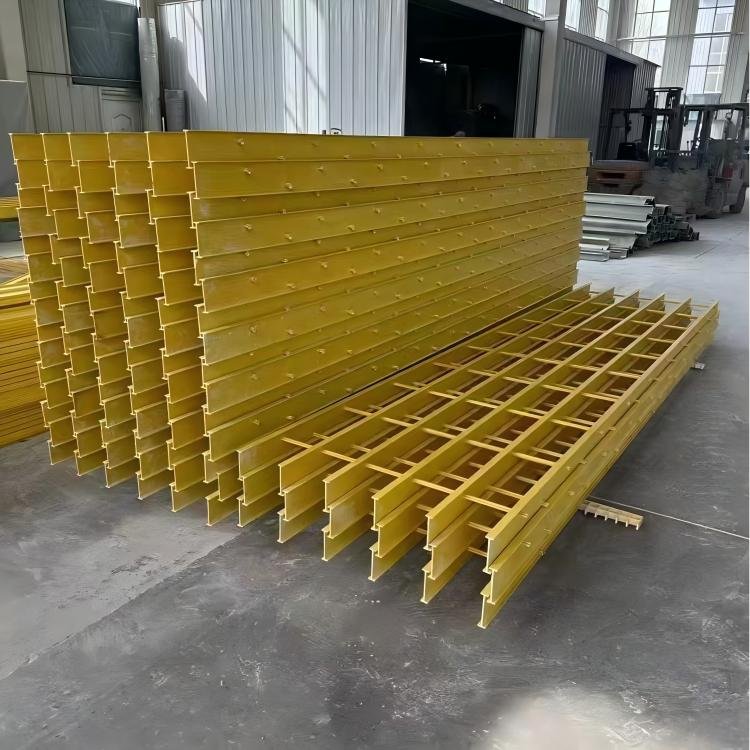
To support heavy packed beds submerged under operational liquid loads, we utilize rugged support plates built with high-strength FRP pultruded profiles, ensuring complete corrosion immunity and high open-area airflow into the bed.
Material Compatibility and Temperature Limits
The chemical makeup of the exhaust stream dictates the packing material. Using mismatched polymers leads to thermal softening, chemical cracking, or rapid degradation:
Polypropylene (PP): The standard industry choice for general acid and caustic scrubbing. Reliable up to 80°C (176°F), offering broad chemical compatibility and low cost.
Polyvinylidene Fluoride (PVDF): Essential for strong oxidizers like wet chlorine, chromic acid, or concentrated nitric acid, with operating limits reaching 140°C (284°F).
CPVC and PFA: Specified when process chemistry combines elevated continuous temperatures with aggressive solvents or reactive halogens.
Selecting packing material with thermal and chemical capabilities that match the tower’s FRP composite shell prevents premature shutdowns and ensures consistent mass transfer throughout the equipment lifecycle.
Optimizing Pollutant Removal Efficiency
Achieving 95% to 99.9% scrubbing efficiency in an FRP packed bed scrubber tower comes down to three operational variables: mass transfer rates, chemical balance, and droplet separation. When we engineer these systems, we balance these variables to ensure targeted emissions meet strict regulatory limits without excessive chemical or energy waste.
Factors Influencing Mass Transfer and Absorption Rates
Gas absorption relies on driving airborne contaminants into the scrubbing liquid through continuous surface contact. To maximize mass transfer rates, we optimize the following design parameters:
Gas-Liquid Contact Time: Ensuring sufficient residence time through adequate packing height allows target contaminants (such as H2S, NH3, or HCl) to diffuse into the liquid film.
Interfacial Surface Area: Utilizing high-efficiency random packing or structured media delivers dense surface area per unit volume, multiplying phase contact points.
Operating Velocity: Sizing the tower diameter to maintain gas velocities safely below hydraulic flooding limits prevents liquid hold-up and excessive pressure drops.
Concentration Gradient: Maintaining a high driving force across the bed by constantly refreshing scrubbing liquor prevents liquid saturation and stagnant boundary layers.
Role of Scrubbing Chemistry and Liquid Distribution
Mechanical design works hand-in-hand with chemical dosing to lock in high removal rates. If the scrubbing liquid cannot wet the packing evenly, chemical reactions will stall.
Uniform Liquid Distribution: We position multi-nozzle spray headers to guarantee 100% wetting of the upper bed. Uneven liquid distribution causes channeling, where unscrubbed bypass gas escapes through dry pockets.
Automated Dosing Control: Integrating automated pH and ORP instrumentation keeps neutralization reagents (such as sodium hydroxide or sodium hypochlorite) at exact stoichiometric levels.
System Integration: When managing complex municipal or industrial waste streams alongside upstream FRP odor control covers for wastewater tanks, stabilizing the incoming vapor load allows our scrubbing chemistry to react predictably without reagent overdosing.
Mist Eliminator Efficiency and Carryover Prevention
High-velocity exhaust streams inevitably entrain fine liquid droplets as they exit the packing. Without a dedicated mist eliminator, these droplets lead to chemical carryover, stack corrosion, and downstream fan wear.
Chevron Blade Eliminators: Ideal for high-gas-velocity applications and streams containing potential particulates. The multi-bend vane profiles force droplets to impact the walls, coalesce, and drain back into the sump.
Mesh Pad Eliminators: Best for clean, chemical-only service requiring capture of ultra-fine aerosol droplets down to 5 to 10 microns.
Proper Washdown Headers: Adding automated wash nozzles to the mist eliminator face prevents chemical salts and scale from plugging the blade profiles, maintaining clean discharge velocities year-round.
Industrial Applications of FRP Packed Bed Scrubbers
We build every FRP packed bed scrubber tower to withstand highly aggressive, corrosive environments that destroy standard metal systems in months. Across heavy process industries, facilities rely on our fiberglass scrubber designs to achieve continuous gas absorption, reliable emissions compliance, and zero structural rust.
Chemical Processing and Acid Gas Control
Chemical plants run some of the most aggressive airstreams in modern manufacturing, including hydrochloric acid (HCl), chlorine (Cl2), sulfur dioxide (SO2), and nitric acid (HNO3).
Severe Corrosion Defense: Using premium vinyl ester resins, our towers handle warm, highly acidic fumes without liner breakdown or wall thinning.
Continuous Gas Neutralization: Properly sized packing height ensures sufficient contact time between acidic vapors and alkaline scrubbing solutions to drive removal rates past 99%.
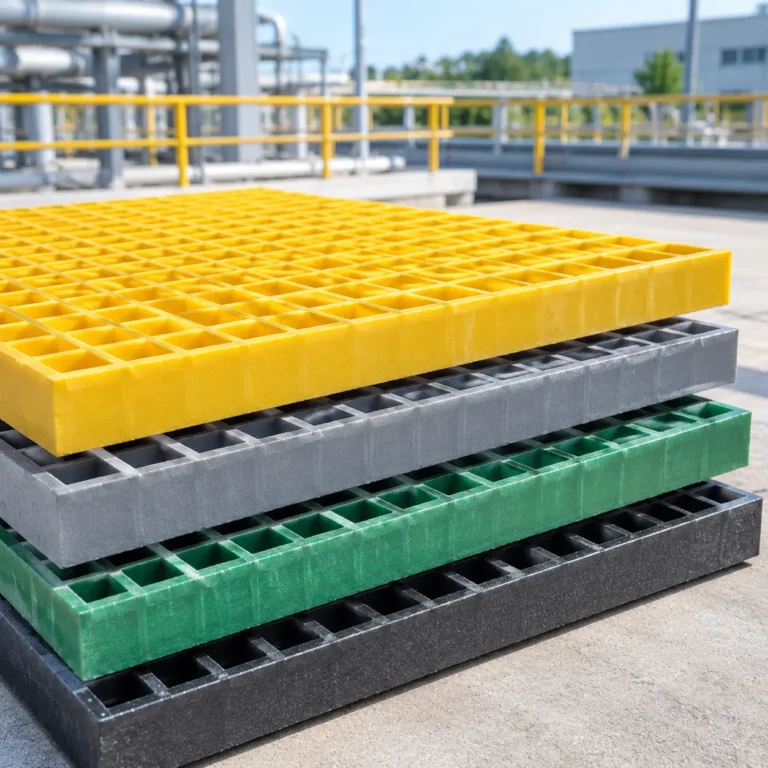
Full-System Integration: In harsh processing bays, our scrubbers integrate cleanly into corrosive production areas often outfitted with frp grating for chemical plant catwalks and servicing mezzanines.
Wastewater Treatment and Odor Abatement
Municipal and industrial wastewater treatment plants generate persistent, foul-smelling, and hazardous emissions. We configure counter-current FRP scrubber towers to scrub:
Hydrogen Sulfide (H2S): Stripped efficiently using multi-stage caustic or sodium hypochlorite scrub chemistries.
Ammonia (NH3) and Amines: Neutralized via dilute sulfuric acid loops to eliminate sharp odors.
Mercaptans and VOCs: Targeted with high-efficiency random packing configurations that provide vast surface area while preventing organic slime buildup.
Uniform liquid distribution across the top of the bed ensures complete media wetting, stopping odor breakthrough before it leaves the stack.
Metal Finishing, Plating, and Semiconductor Manufacturing
Surface treatment, anodizing, electroplating, and wafer fabrication generate dense, hot acid mists and caustic vapors that demand tight process control:
Pickling and Etching Exhaust: Capture concentrated sulfuric, nitric, and hydrofluoric (HF) acid vapors coming directly off heated baths.
High-Purity Cleanroom Venting: Low-profile systems scrub semiconductor tool exhaust with high single-pass capture rates.
Minimal Maintenance: Smooth fiberglass inner walls and anti-fouling packings keep differential pressure low, preventing downtime in high-output manufacturing lines.
Operation, Troubleshooting, and Maintenance
Maintaining an FRP packed bed scrubber tower at peak performance requires proactive oversight. While fiberglass reinforced plastic offers superior structural protection against aggressive chemicals, physical fouling and hydraulic imbalances can still degrade performance. We focus on consistent monitoring and structured maintenance routines to keep operational uptime near 100%.
Preventing Packing Fouling, Scaling, and Channeling
Operational disruptions within the tower bed typically stem from surface fouling, insoluble salts, or uneven flow dynamics:
Liquid Channeling: When the chemical wash bypasses the media, gas slips through untreated. Channeling usually develops when spray nozzles clog or when random packing shifts unevenly. Maintaining uniform liquid distribution across the entire packing height eliminates dry pockets.
Mineral Scaling: Scrubbing acid gases with caustic or carbonate solutions creates mineral precipitates such as calcium carbonate or gypsum. We counter this by managing automated blowdown cycles and maintaining steady bleed-and-feed rates to dilute solids.
Particulate and Biological Fouling: Insoluble particulates and biological slimes coat both random packing and structured packing, choking the available surface area. Routine chemical flushes or periodic low-pressure water backwashes clear out accumulation before it hardens.
Monitoring Pressure Drop and Recirculation Flow Rates
Differential pressure (dP) across the packed bed serves as the primary indicator of internal conditions:
Parameter Symptom / Reading Likely Root Cause Immediate Action
Differential Pressure (dP) Sudden Spike Packing fouling, scale buildup, or hydraulic flooding Inspect bed for blockages; verify sump level and exhaust fan settings
Differential Pressure (dP) Unexpected Drop Severe gas bypass, dislodged packing, or blown mist eliminator Check packing level through viewports; inspect internal support plates
Recirculation Flow Low Flow / Low Pressure Worn pump impellers, clogged suction strainers, or plugged nozzles Flush strainer baskets; clear manifold lines and spray tips
Recirculation Flow High Pressure / Low Flow Downstream nozzle fouling or closed isolation valves Inspect spray headers; clean or replace damaged nozzle orifices
Tracking flow rates and pressure drops ensures the system maintains optimal mass transfer and continuous gas absorption without overloading the exhaust blower.
Inspection and Routine Maintenance for Long-Term Reliability
Periodic internal and external checks prevent minor wear from turning into costly downtime:
Nozzle Headers and Spray Patterns: Inspect spray coverage quarterly to confirm consistent droplet distribution across the bed diameter.
Mist Eliminators: Wash chevron blades or mesh pads every six months to clear accumulated salts that cause chemical carryover.
FRP Structural Shell and Resin Barrier: Check access hatches, flanged joints, and structural hold-downs annually for weeping, blistering, or mechanical stress cracking.
Safe Elevated Access: Routine visual checks of overhead spray headers require steady access; outfitting maintenance platforms with anti-slip options for FRP grating provides corrosion-resistant, secure footing for technicians in wet, chemical environments.
Instrumentation Calibration: Calibrate pH probes, ORP sensors, and differential pressure transmitters monthly to ensure dosing controls stay within design limits.